Fitness, Preparedness, and the Discipline of Moving Under Load
A reflection from the trail.
Do you ruck?
It is a simple question. Most people have never heard it before.
Some pause. Others assume it must be military slang. A few admit they have no idea what it means.
In the firearms world, much of the conversation revolves around equipment. Holsters, optics, calibers, and the latest gear all have their place. But there is another part of preparedness that often receives far less attention.
The condition of the person carrying the gear.
Owning a firearm does not make someone prepared. Training matters. Judgment matters. And physical capability matters.
Violence, when it occurs, is rarely static. It involves movement, stress, and physical effort. It may require running, carrying someone, climbing stairs, or enduring a difficult situation.
Preparedness is not just about what you carry.
It is about the condition of the person carrying it.
One of the simplest and most effective ways to build that capability is something soldiers have been doing for centuries.
Rucking.
Understanding Rucking
Rucking is one of the oldest forms of functional fitness.
At its simplest, it means walking with weight on your back, typically using a backpack. The term comes from the word rucksack, derived from the German words Rücken, meaning back, and Sack, meaning bag.
The concept itself is timeless.
Long before modern gyms or structured workout programs, there was a clear understanding.
If you are going to operate in difficult conditions, you must be able to move under load.
Whether moving across uneven terrain, carrying equipment, or simply enduring long distances, this ability has always mattered.
Rucking builds endurance, strengthens the legs and core, and develops resilience. More importantly, it prepares the body for real world effort, something machines in a gym cannot fully replicate.
The Civilian Rucking Movement
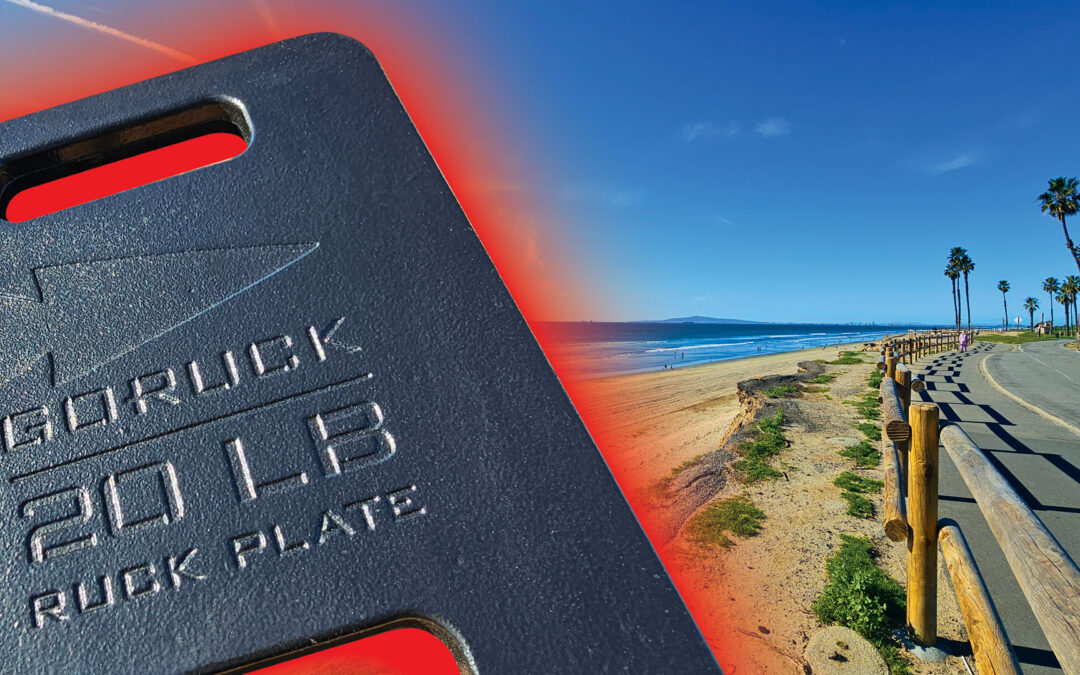
In recent years, rucking has expanded beyond military circles. Companies like GORUCK have helped introduce the concept to a broader audience and build communities around it.
While the gear and branding have evolved, the principle remains the same.
Strong people are harder to kill and more useful in difficult situations.
Put weight on your back.
Step outside.
Move forward.
The Health Benefits of Simply Moving
 Modern life has made something simple unnecessarily complicated.
We need to move more.
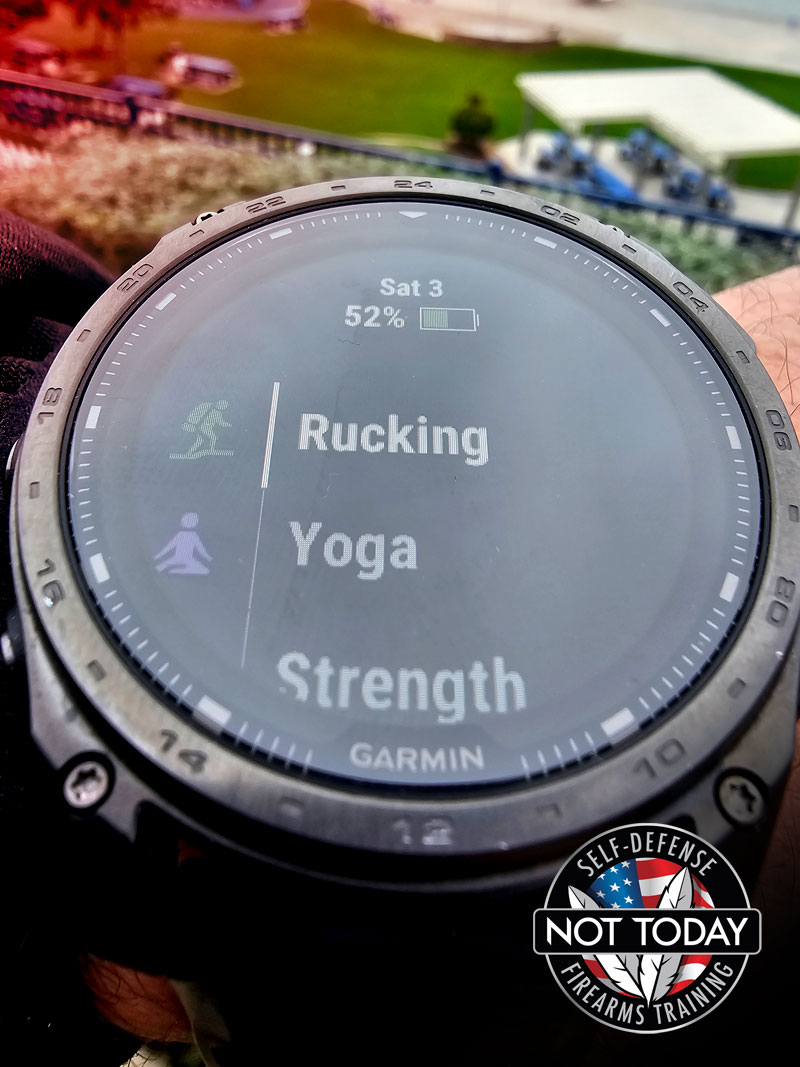
A commonly cited benchmark is 10,000 steps per day. While the number itself is less important than the habit, the message is clear. Consistent movement supports long term health.
Regular walking has been associated with improved cardiovascular health, better weight management, blood sugar control, reduced stress, improved sleep, and increased longevity.
Rucking builds on this foundation.
By adding weight, you increase the demand on the body, turning a simple walk into effective strength and endurance training while remaining low impact and accessible.
No gym required.
No complex program.
Just movement.
Outside Is Better Than a Screen
Rucking also does something many people are missing.
It gets you outside.
Sunlight supports healthy sleep cycles and vitamin D production. Natural environments reduce stress and improve mood. Uneven terrain builds balance and functional strength.
It reconnects us with something simple and necessary.
Move.
A Personal Routine
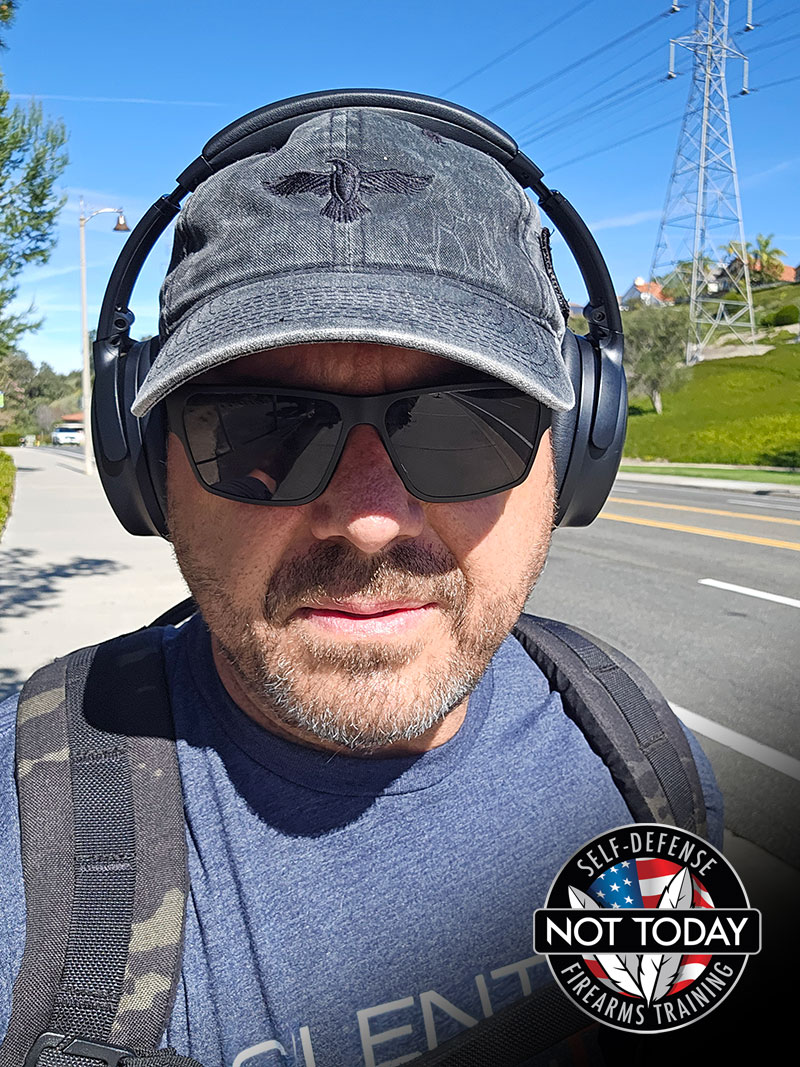 For me, rucking has become part of a regular routine.
Most of my rucks take place around Lake Mission Viejo. It is a great environment with steady movement, fresh air, and people out enjoying the day.
Sometimes I listen to music. Other times it is a podcast. Often, it is just the sound of being outside.
I see familiar faces. People walking their dogs. Couples getting exercise. Retirees enjoying the morning air.
I make it a point to say hello when I pass. There is something valuable about simple interaction in a world that often feels disconnected.
Sometimes my wife joins me. Sometimes I bring the dogs. We walk, talk, and cover a few miles without much thought.
Most days, I also carry while I ruck. Responsibility for personal safety does not stop simply because I am out for a walk. Recently, I have been using an Eberlestock Bando Bag, which allows me to carry comfortably while moving.
There is something simple and grounding about the routine.
A backpack.
A little weight.
Fresh air and movement.
The Reality of Violence Is Physical
Before I ever taught firearms, my introduction to self defense came through combat sports.
Boxing, kickboxing, wrestling, mixed martial arts, and later Krav Maga.
Anyone who has spent time in those environments learns something quickly.
Violence is physical.
It is not static.
It is not clean.
And it rarely unfolds the way people expect.
Even brief encounters involve movement, resistance, and the effects of stress.
Under those conditions, strength matters. Endurance matters. The ability to move under stress matters.
Firearms are an important tool, but they exist within a broader reality. The person carrying that tool must still be capable of functioning physically.
That capability cannot be purchased.
It must be built.
Getting Started
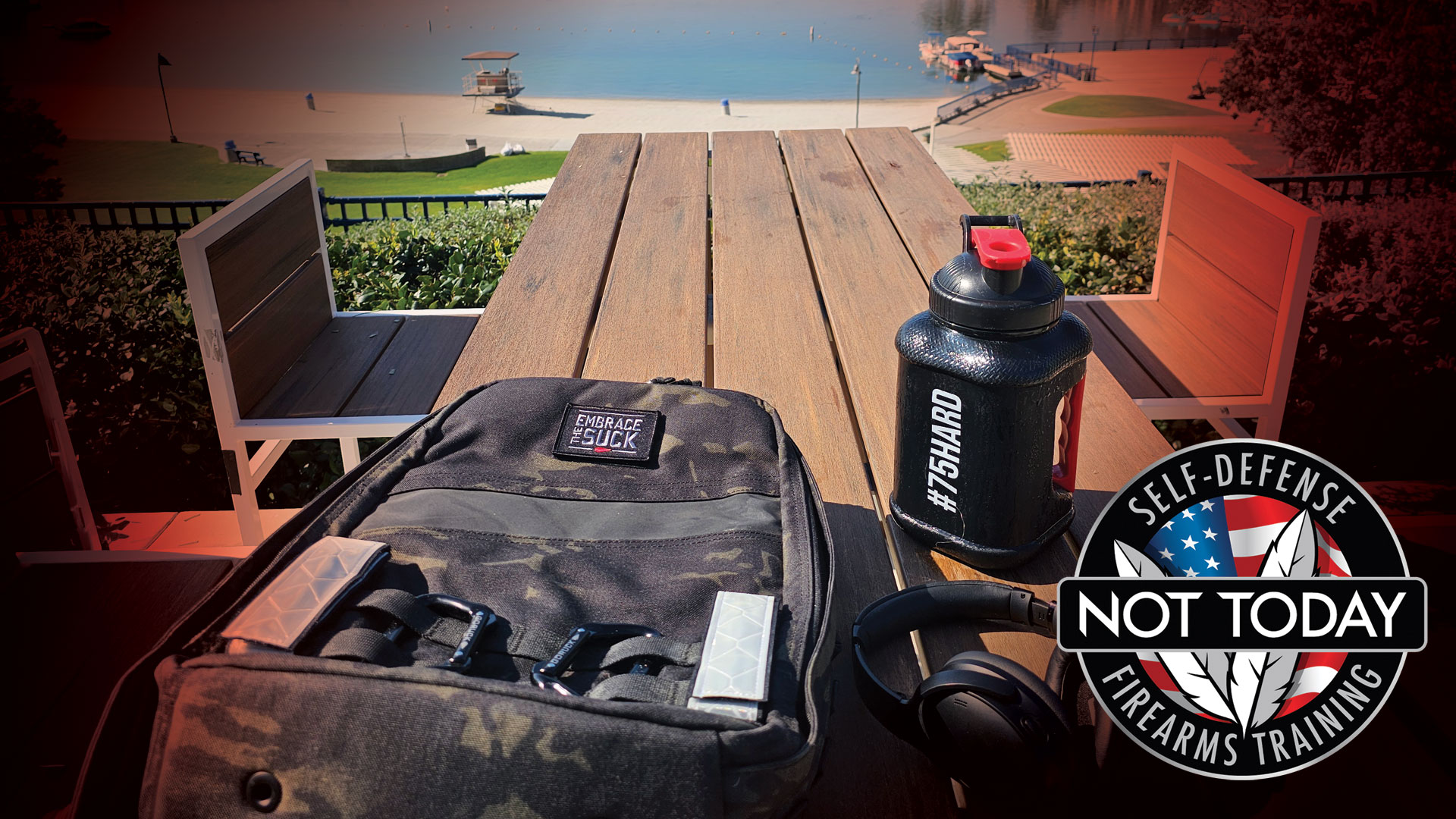
One of the best aspects of rucking is its simplicity.
Start with ten to twenty pounds in a backpack. Walk two to three miles at a comfortable pace. Wear supportive shoes and focus on consistency.
The goal is not speed.
The goal is movement under load.
There will be days when it feels uncomfortable. When the weight feels heavier than it should, or the distance feels longer than expected.
In some circles, there is a phrase often used to describe this.
Embrace the suck.
What it really means is simple. Worthwhile things are not always comfortable. Progress often requires effort, discipline, and a willingness to continue when it would be easier to stop.
Even one or two sessions per week can make a meaningful difference.
A Community Opportunity
Rucking also creates an opportunity for connection.
I have been considering organizing a local ruck group. Nothing complicated. Just people meeting, putting on a backpack, and walking a few miles together.
Fitness. Conversation. Fresh air.
Sometimes capability and community are built the same way.
By moving forward together.
A Simple Question
Preparedness is often discussed in terms of equipment.
But preparedness is about more than what you carry.
The responsible citizen develops the mind, builds the skill, and maintains the body.
Sometimes that process begins with something simple.
A walk.
A backpack.
A little weight.
So the next time you think about readiness, consider a simple question.
Do you ruck?
Preparedness is not a piece of equipment.
It is a way of living.
And like anything that matters, it is built one step at a time.
Train with discipline.
Carry with responsibility.
Refuse to be helpless.