America 250: Will You Pass It On?
A Reflection on Freedom, Responsibility, and the American Citizen
Shortly before Independence Day, an email from the USCCA landed in my inbox with a simple question: "America 250 — Will You Pass It On?" The message was intended as a membership campaign, but the question stayed with me long after I read the email. Not because of marketing.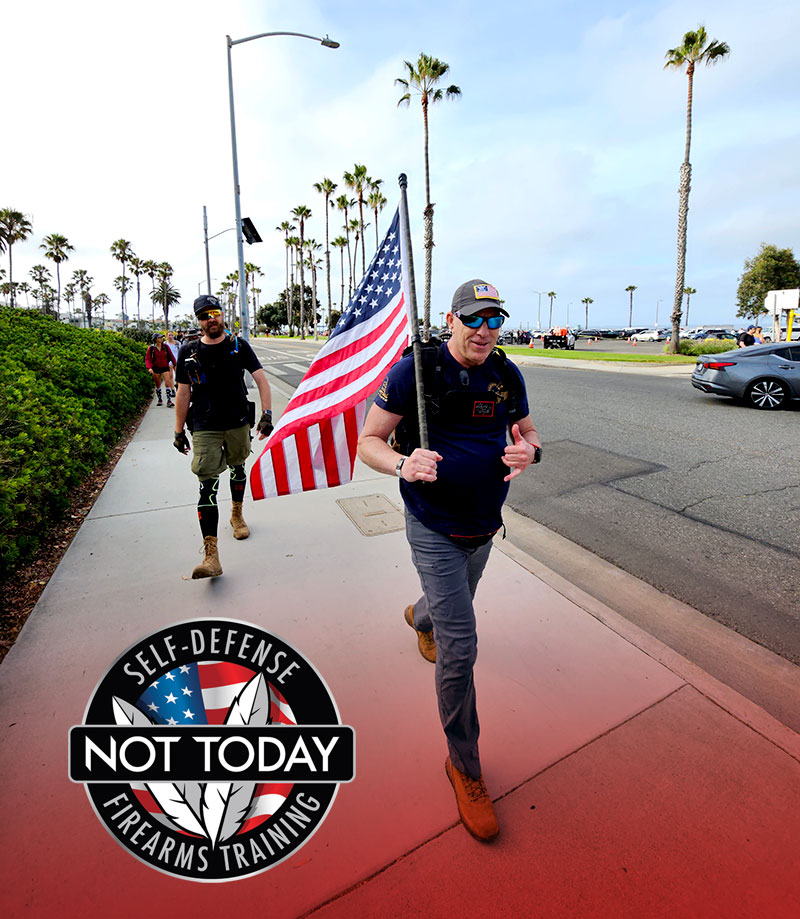 Because of responsibility. As America moves beyond another Fourth of July and continues to celebrate the 250th anniversary of the Declaration of Independence, we have a rare opportunity to reflect on something larger than fireworks, parades, and backyard barbecues. This will be the only 250th anniversary of the United States any of us will ever witness. Two hundred and fifty years. Entire nations have risen and fallen in less time. Yet the American experiment endures. Not because it was guaranteed. Not because it was perfect. But because generation after generation chose to preserve it. That is the real story of America. Not simply what was handed down to us, but what we are willing to pass forward.
A Fourth of July Reflection
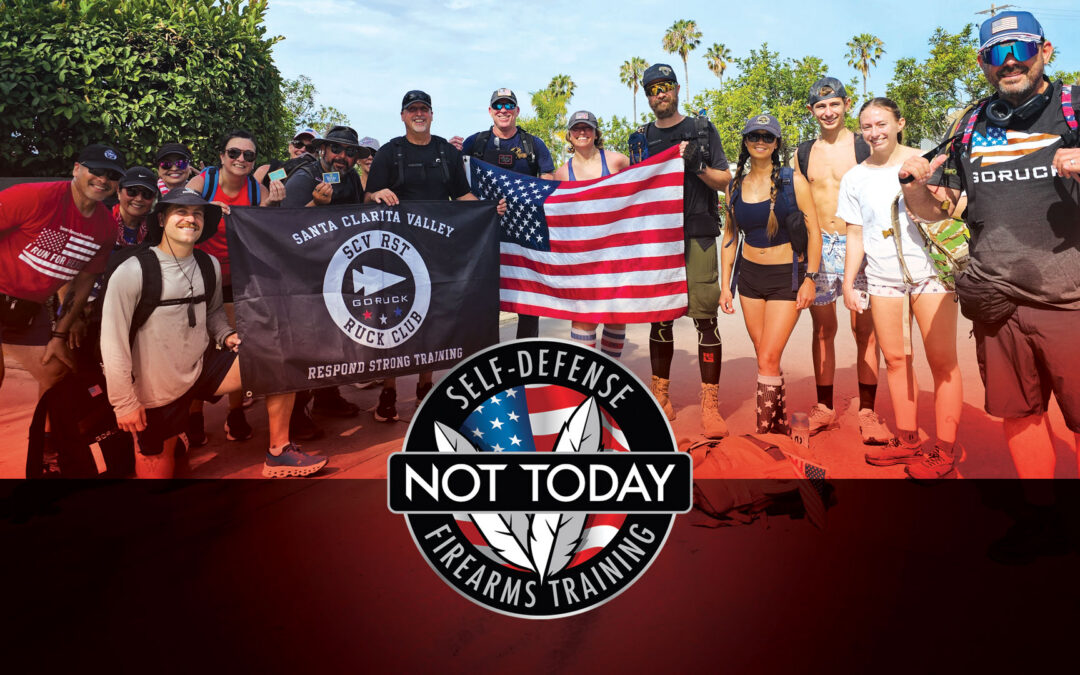
This year's Fourth of July gave me an opportunity to experience America in a way that felt uniquely fitting as we move toward our nation's 250th anniversary. The day started early. Very early. At 4:00 AM, I was out of bed and getting ready for a drive from South Orange County to Santa Monica to participate in a GORUCK 5K Ruck along the California coastline. As the sun began to rise over the Pacific, Americans from all walks of life gathered for a simple challenge: put on a weighted backpack, walk together, and celebrate Independence Day through effort, camaraderie, and shared purpose. There was no political litmus test.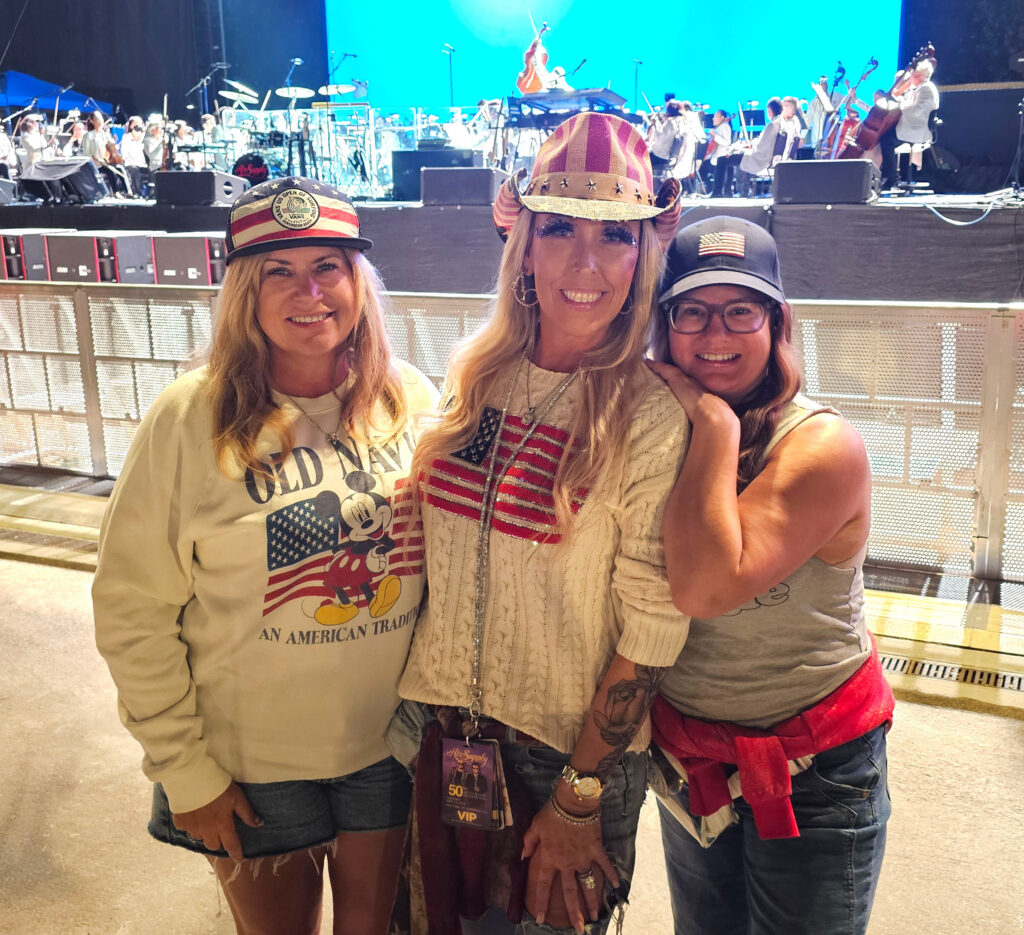 No division. No headlines. Just ordinary Americans from different backgrounds spending the morning together, challenging themselves and honoring the holiday in their own way. It reminded me of something we often forget. The strength of America has never come solely from institutions. It comes from people. People who show up. People who contribute. People who choose community over isolation. After the ruck, I returned home, where Julie and I hosted friends and family for a Fourth of July barbecue and pool party. Children laughed in the backyard. Families shared meals. Friends caught up on life. The kind of simple gathering that has become an American tradition for generations. Nothing historic. Nothing extraordinary.
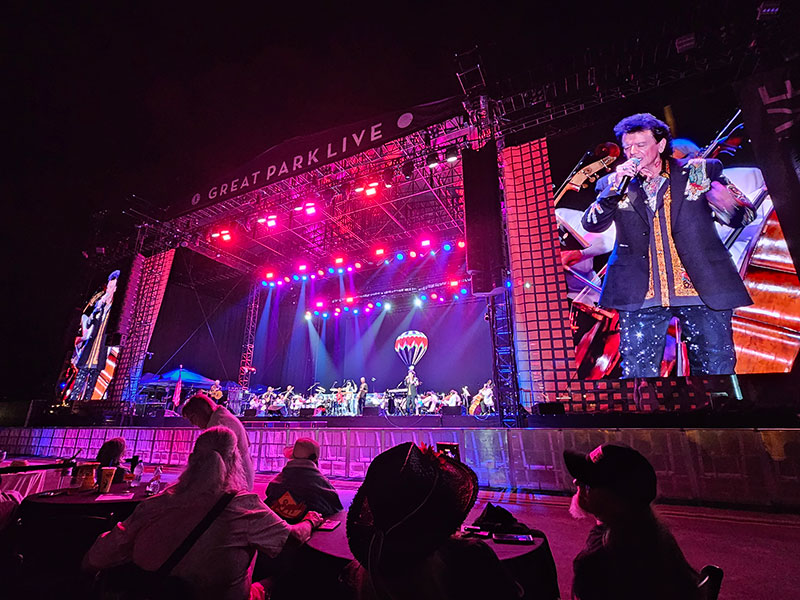 And yet, in many ways, exactly the sort of thing that makes America worth preserving. Later that evening, we headed to the Great Park in Irvine to watch Air Supply perform alongside the Pacific Symphony. Thousands of people spread blankets across the lawn as music filled the summer air. Young families sat beside retirees. Veterans sat beside new Americans. Neighbors sat beside strangers. For a few hours, everyone simply enjoyed being together. As darkness settled over Orange County, the evening concluded the way so many Independence Day celebrations do, with a fireworks show lighting up the night sky. Standing there, watching families gather beneath bursts of red, white, and blue, I found myself thinking again about that question: America 250: Will You Pass It On? Because what we celebrate on Independence Day is not simply a historical event that happened 250 years ago. We celebrate the freedoms that allow us to gather with family, challenge ourselves, build communities, pursue our dreams, worship freely, speak openly, and determine our own future. Those freedoms were inherited. But they are not guaranteed. Like every generation before us, we have a responsibility to preserve them for the generations that follow.
Freedom Was Never Meant to Be Automatic
The men who signed the Declaration of Independence understood something many people have forgotten: Freedom is fragile. The Founders studied history. They knew republics rarely collapse because of a single external threat. More often, they erode from within through complacency, division, dependence, and the gradual loss of civic virtue. They believed liberty could survive only if citizens remained engaged, informed, disciplined, and willing to accept responsibility. That warning remains just as relevant today. A constitutional republic ultimately depends upon the character of its people. Rights matter. But rights without responsibility eventually become unsustainable. America was never intended to be a nation of spectators. It was built by citizens.
Why History Matters
I've always loved history because it reminds us of an uncomfortable truth: Peace, freedom, and civilization are not the default condition of humanity. Study enough history, and you discover that the freedoms we enjoy today are exceptional, not inevitable. They were purchased at a cost. And they survive only when people are willing to preserve them. One of my favorite podcasts is 1865, which explores the aftermath of President Lincoln's assassination. Another is Hardcore History by Dan Carlin, which forces listeners to confront the scale of human conflict and suffering throughout history. History humbles us. It reminds us that every generation inherits responsibilities alongside its freedoms.
A Personal Connection
When I was nineteen years old, I ordered a scale model of the Enola Gay from the Smithsonian Institution and drove to Yuma to meet Paul Tibbets, the aircraft's pilot. The Enola Gay was the B-29 bomber that delivered the first atomic bomb over Hiroshima on August 6, 1945, helping bring World War II to its conclusion. He signed the model. More than three decades later, it still sits on top of my china cabinet. That experience taught me something important: History is not made by mythical figures. It is made by ordinary people facing extraordinary decisions. Every generation eventually encounters moments that demand courage, sacrifice, judgment, and responsibility. The question is never whether history will happen. The question is whether we will rise to meet it.
America's Original Sheepdogs
On June 14, 1775, more than a year before the Declaration of Independence was signed, the Continental Congress authorized the enlistment of expert riflemen to defend the colonies. They were not professional soldiers. They were farmers, tradesmen, merchants, fathers, and neighbors.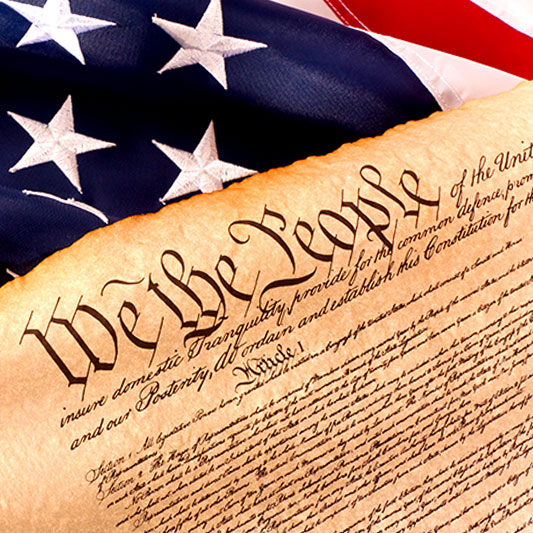 Ordinary citizens who understood that freedom required more than words on paper. It required people willing to stand watch over their communities. One year later, on July 4, 1776, the Declaration announced to the world that Americans would govern themselves. But that declaration could survive only because ordinary citizens were willing to defend the principles behind it. The Founders understood a truth that still matters today: Rights carry responsibilities. Freedom carries obligations. Citizenship carries duties. For 250 years, Americans have answered that responsibility in different ways. Some served on battlefields. Others served in classrooms, churches, hospitals, fire stations, and law enforcement agencies. Many simply raised families, built businesses, mentored young people, and strengthened their communities. The common thread was never fame. It was service.
The Responsibility of Preparedness
Over the years, I have become involved with organizations that represent different forms of service and preparedness. I am an NRA Instructor, a USCCA Instructor, an American Red Cross Instructor, a California DOJ Certified CCW Instructor, and an approved instructor for both the Orange County Sheriff's Department and Riverside County Sheriff's Office. Those credentials are not trophies. They are reminders. Because teaching firearms is not really about firearms. It is about judgment. Restraint. Accountability. And preserving innocent life. The same principle applies whether you are teaching CPR, Stop the Bleed, emergency preparedness, or lawful self-defense. Preparedness is not fear. Preparedness is a responsibility.
Why They Came
One of the most remarkable parts of the American story is that it does not belong only to those whose families were here in 1776. For nearly 250 years, people from every corner of the world have crossed oceans, deserts, and borders in search of opportunity, freedom, self-determination, and a chance to build a better life. Now, as the world turns its attention to soccer's greatest stage, we are seeing that same story unfold in a different way. People from around the world are traveling to America for the World Cup, not only to watch soccer, but to experience the United States itself. They will walk through our cities. Eat in our restaurants. Meet our people. See our communities.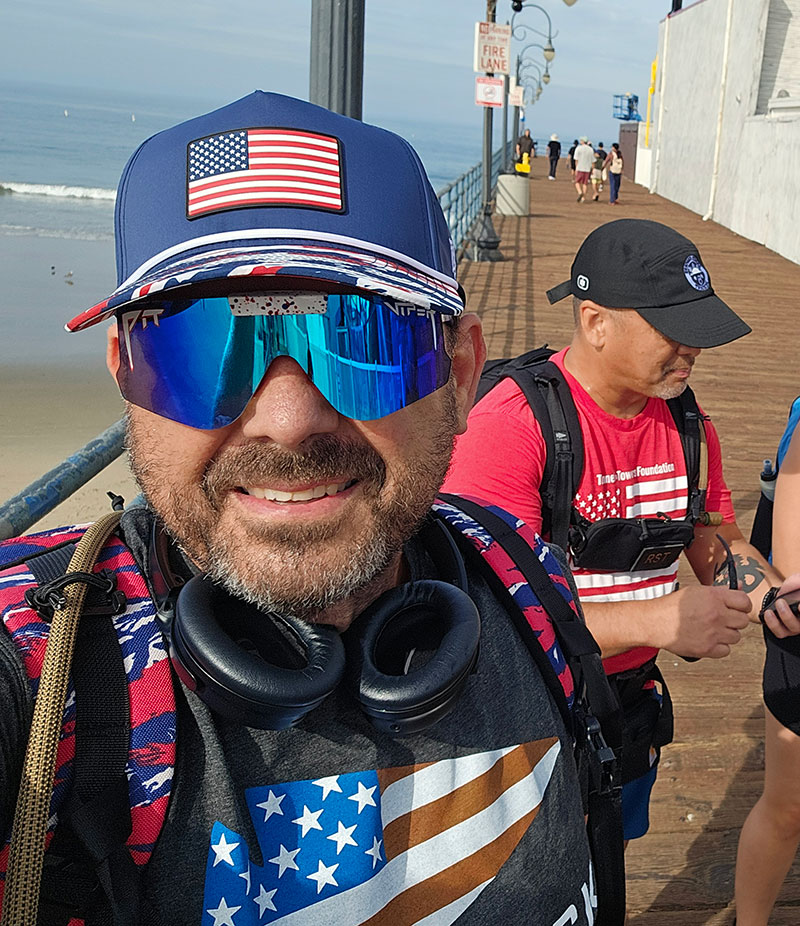 Hear our music. Experience our energy, our diversity, our optimism, and our culture. Some will leave with memories of a game. Others may leave with something deeper. An appreciation for a country that remains unlike any other on earth. The American story has always been larger than where someone was born. It has been about what people choose to believe, build, defend, and pass forward. America's greatest strength has never been that we all come from the same place. It is that people from every place can become part of the American story. The World Cup will bring the nations of the world to our doorstep. What they see will not only be stadiums, flags, and competition. They will see us. Our hospitality. Our character. Our communities. Our love of country. And perhaps they will be reminded why generations before them crossed oceans to come here in the first place. They saw value in America. The question for our generation is whether we still see it clearly enough to preserve it.
Will We Pass It On?
Every generation receives America unfinished. Not as a guarantee. As a responsibility. Some inherit a nation at peace. Others inherit a nation facing challenges. But every generation receives the same question: What will you do with it? Will you teach your children the values that made this nation possible? Will you serve your community? Will you become capable enough to help others when a crisis arrives? Will you preserve liberty long enough to hand it to the next generation? Someday, our children and grandchildren will look back and evaluate how we used the inheritance we were given. They will not judge us by our social media posts. They will judge us by what we preserved. By what we built. By what we passed forward. Two hundred and fifty years ago, imperfect men signed a document that changed human history. Since then, generations of Americans have fought, sacrificed, built, healed, taught, protected, mentored, and served. The American experiment continues because ordinary citizens continue accepting extraordinary responsibility. Freedom survives only when people choose to preserve it. That responsibility now belongs to us. The Founders passed freedom to us. The generations that followed preserved it for us. Now it is our turn. America 250 is not merely a celebration of the past. It is a challenge to the present. And a commitment to the future. The question is no longer what was passed down to us. The question is: Will we pass it on? — Tom Durell President & Chief Instructor Not Today Self-Defense & Firearms Training